What Wealthy Business Owners Know About Marketing That Most Business Owners Don't
If you ask most business owners what separates a thriving HVAC company from one constantly chasing leads, or a dental practice with a six-month waitlist from one running discount ads every quarter, the answer they give is usually budget. The successful one is spending more on marketing. That's almost never true.
The difference isn't how much they spend. It's what they're buying with it.
They Buy Assets. Everyone Else Buys Attention.
The business owners growing fastest in high-LTV service categories — HVAC, legal, dental, financial advisory, contracting — have internalized one distinction that most of their competitors never make: the difference between renting visibility and owning it.
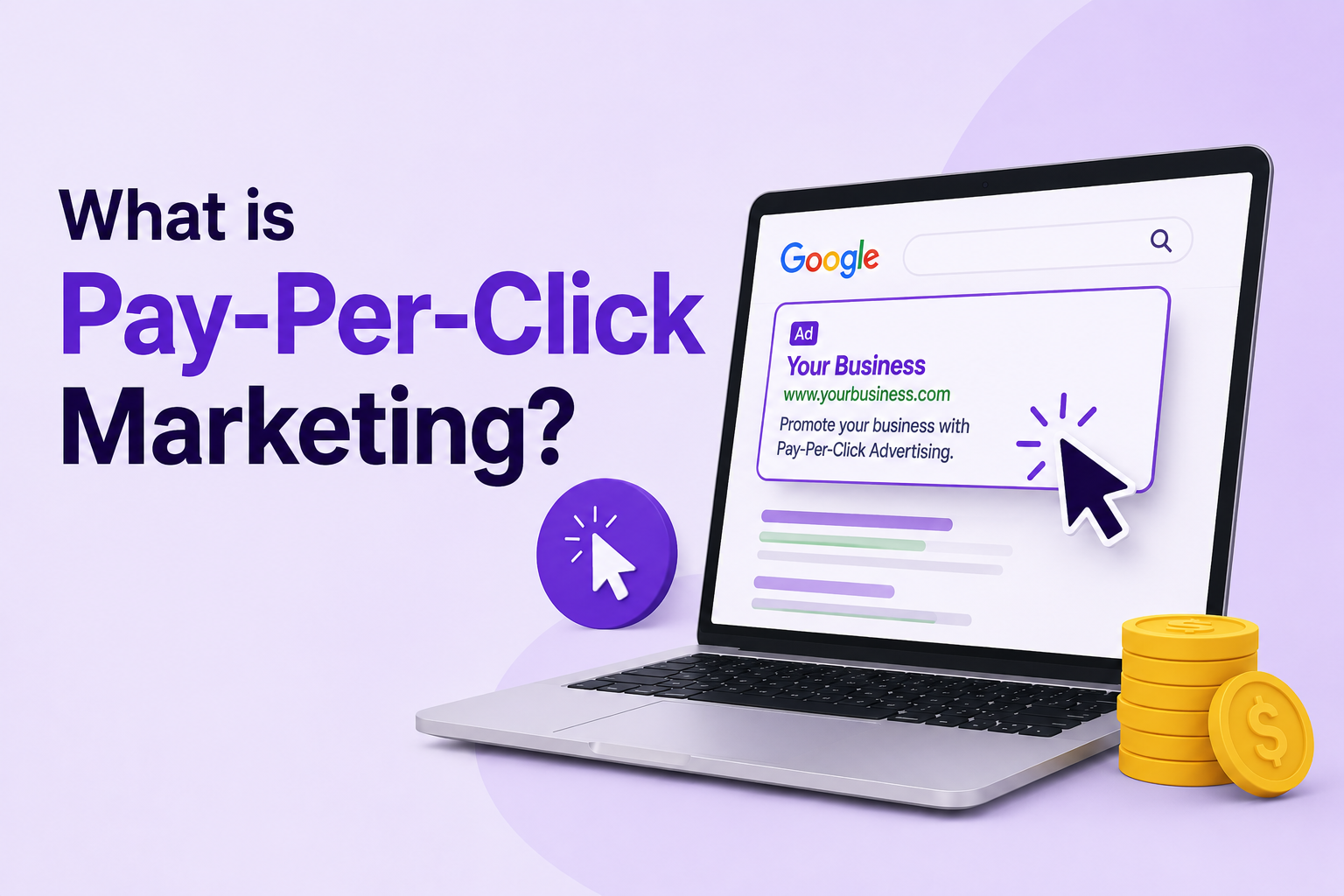
Paid ads are rented. The moment you stop paying, the visibility stops. You don't own the relationship with the person who clicked. You don't own the ranking. You don't own the trust. You rented access to someone's screen for a few seconds, and if they didn't convert, nothing was built.
Content is owned. A well-written article answering a question your best clients are asking keeps getting found six months from now. A reputation built through consistent publishing, earned placements, and hundreds of reviews doesn't disappear when you pause a campaign. It compounds. Every piece of content makes the next piece stronger. Every new review makes the business more credible to the next prospect — and increasingly, to the AI tools they're using to research before they call.
Most business owners understand this distinction in theory. Wealthy business owners act on it.
They Know How Their Best Clients Actually Make Decisions
Spend five minutes thinking about how your highest-value clients came to you. The financial advisory client with $2 million in investable assets. The homeowner spending $20,000 on a full HVAC system replacement. The business owner retaining a litigation attorney. How did they find you?
They didn't click an ad. They asked around. They read. They researched. They looked for evidence that you were credible before they ever picked up the phone. By the time they called, they already trusted you — or they called someone else first.
This pattern holds across every high-LTV service category. Premium buyers do not make expensive decisions impulsively. They gather information, assess expertise, and look for consistent signals that a business knows what it's talking about. Those signals are built through content, reputation, and presence in the places people look when they're doing serious research.
In 2026, that research increasingly happens in AI tools — ChatGPT, Perplexity, Google's AI Overviews. When a homeowner asks an AI assistant which HVAC contractor in their area handles complex zoning systems, or which financial advisor specializes in small business exit planning, the answer doesn't come from the biggest ad budget. It comes from the business that has built the most credible, well-distributed record of genuine expertise.
They Think in Years, Not Campaigns
One of the most consistent patterns across financially successful service business owners is their time horizon for marketing. They're not asking "what can I do this month to get more leads." They're asking "what can I build this year that will make the next five years easier."
That shift in time horizon changes everything about how they allocate resources. A $3,000-a-month Google Ads budget, run for three years, produces exactly three years of leads and nothing else. The same investment in content creation, distribution, and reputation management produces a growing body of authority that keeps attracting clients long after the work is done.
That's not a philosophical preference. It's a calculation about return on investment. Ad spend has a linear relationship with results. Content and authority have a compounding one. Wealthy business owners have done the math, or they've watched competitors do it and drawn the right conclusions.
They're Not Visible Everywhere — They're Deeply Visible Where It Counts
A common misreading of what successful businesses do is that they're simply present on more channels. That's not it. Many of them maintain a relatively focused presence. What makes them effective is that their presence is deep, consistent, and distributed in the specific places where high-value buyers research serious decisions.
That means their content appears on their own site, but also in industry publications, local business directories, and third-party platforms that AI search engines treat as authoritative sources. Their reviews are numerous, recent, and specific — not just a collection of five-star ratings, but detailed accounts of what the experience was actually like. Their name comes up in conversations because they've published enough genuinely useful content that people recommend them.
When a prospective client searches for expertise in their category and city, the business shows up — not because they outbid everyone, but because they built something worth finding.
What This Means If You're Still Running Ads
None of this means paid search has no role. In competitive markets with high purchase urgency — emergency HVAC calls, certain legal situations, time-sensitive financial decisions — a targeted paid presence can still make sense. The mistake isn't using ads. The mistake is treating them as a strategy rather than a tactic.
The business owners who are hardest to compete against have usually done one specific thing: they've made themselves the obvious answer for a specific kind of client, in a specific category, in their market. When someone asks an AI tool for a recommendation, or asks a trusted colleague, or searches for detailed answers to a specific question — the same name keeps coming up. That consistency didn't happen by accident, and it didn't happen through ads.
It happened because they started building something permanent while their competitors were still renting attention.
PaperClick Marketing helps high-LTV service businesses build the content authority and AI search presence that makes them the obvious choice in their market — without paying per click. If you're ready to start building something that compounds, let's talk.