What Is Pay-Per-Click Marketing? (And Why More Businesses Are Moving Away From It)
If you've ever searched for "PaperClick Marketing" and found Google filling the page with results about pay-per-click marketing — you're not imagining things. The two phrases sound nearly identical, which tells you something important: pay-per-click (PPC) is such a dominant force in digital marketing that search engines practically autocomplete it into everything. It's everywhere. But that doesn't mean it's right for every business — and a growing number of mid-size business owners are discovering there are smarter ways to spend a marketing budget.
This post explains exactly what pay-per-click marketing is, how it works, what it actually costs, and why many businesses are now choosing alternative strategies that deliver better long-term ROI.
1. What Is Pay-Per-Click Marketing?
Pay-per-click marketing — commonly called PPC — is a form of digital advertising where businesses pay a fee each time someone clicks on one of their ads. Instead of earning visibility organically through content or reputation, PPC essentially buys traffic directly. The most common form is search advertising: when you type a query into Google and see results labeled "Sponsored" at the top, those are PPC ads. The businesses showing up there are paying — sometimes several dollars, sometimes dozens of dollars — for each click that result receives.
PPC also extends beyond search engines. Social media platforms like Facebook, Instagram, and LinkedIn all operate on pay-per-click or pay-per-impression models. Display advertising — the banner ads you see on websites — works similarly. In each case, the advertiser bids for placement in an auction, and visibility goes to the highest bidder. The moment you stop paying, your visibility disappears completely.
The appeal of PPC is easy to understand. It's fast — you can have an ad running and generating clicks within hours of setting up a campaign. It's measurable — platforms provide detailed data on impressions, clicks, and conversions. And it feels controllable — you set a budget, you see results, and you can turn it on and off like a faucet. For businesses that need leads immediately, PPC can play a legitimate role. The problems arise when it becomes the primary — or only — marketing strategy.

2. How Much Does Pay-Per-Click Actually Cost?
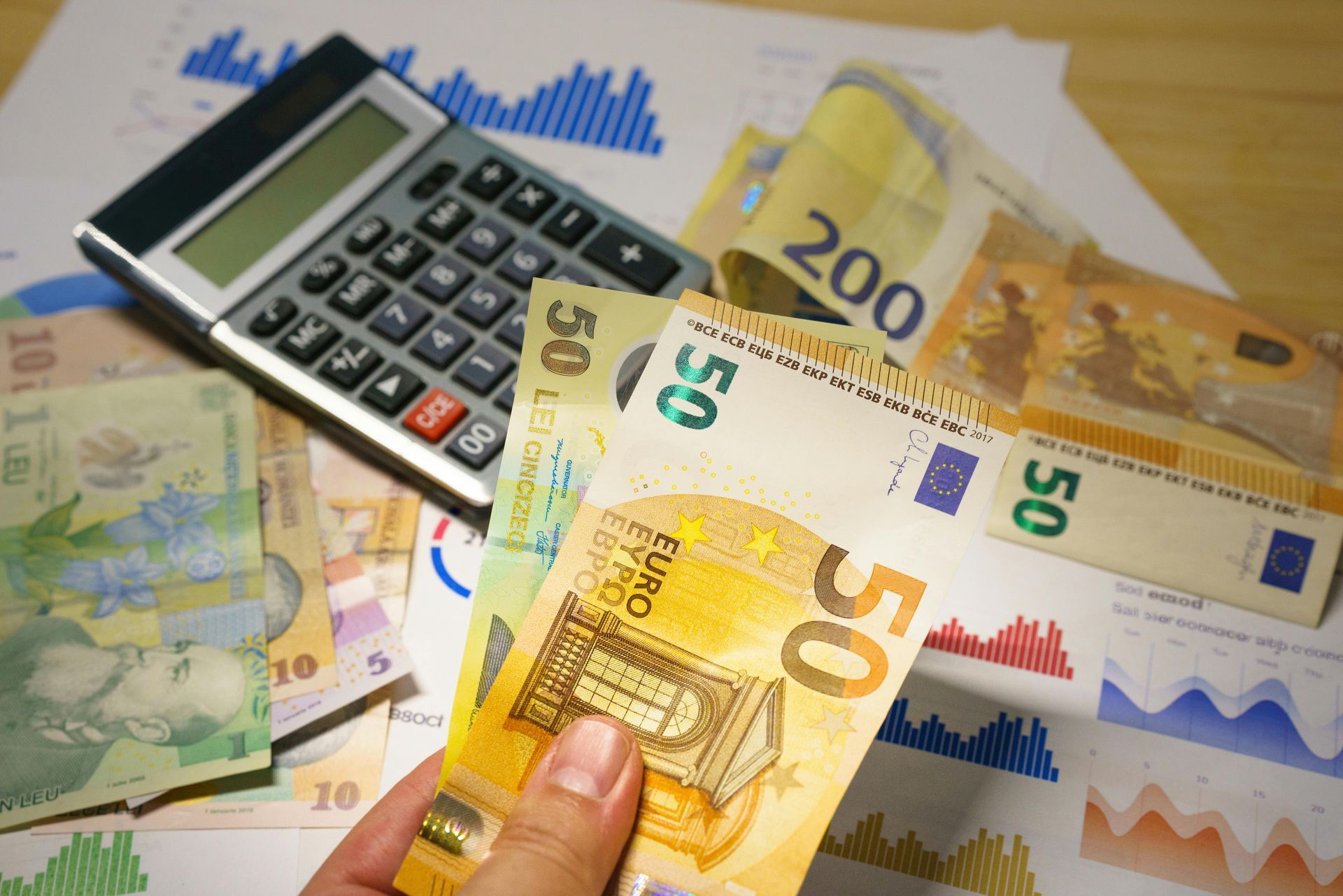
The short answer: more than most business owners expect. The average cost-per-click across Google Ads is around $2–$4 for most industries, but competitive verticals — legal, financial services, insurance, healthcare, home services, and marketing — regularly see costs of $15, $30, or even $50+ per click. Not per lead. Per click. The person who clicked may bounce in five seconds, may never contact you, and may never buy anything — and you've still paid for that click.
When you do the math on conversions, the numbers can be sobering. If your landing page converts at 3% (which is considered solid), you need roughly 33 clicks to get one inquiry. At $20 per click, that's $660 per inquiry. If you close one in five inquiries, your cost per new customer is $3,300 — before accounting for the time and cost of running the campaign. For businesses with high customer lifetime value, that math can work. For many mid-size businesses, it doesn't.
There's also the issue of rising costs. Average CPCs have increased significantly over the past decade as more advertisers compete for the same inventory. Google and Meta have made enormous profits from this auction dynamic, and the trend is structural — it only goes one direction. Businesses that built their entire growth model around PPC five years ago are now paying two or three times more for the same results.
3. The Core Problem With PPC as a Long-Term Strategy
The fundamental flaw in pay-per-click as a long-term marketing strategy is simple: it builds nothing. Every dollar you spend on PPC vanishes the moment the campaign ends. You don't own any of it. The traffic doesn't compound. The visibility doesn't carry over. You're essentially renting an audience rather than building one — and the rent keeps going up.
Compare that to content marketing, SEO, and AI optimization: every blog post you publish, every piece of helpful content you create, every review you earn, every mention you receive from a third party — these are assets. They continue working for you long after you've stopped actively investing in them. A well-written article published today may generate qualified traffic for five years. A PPC ad generates traffic for exactly as long as you're paying for it, and not one second longer.
There's also a trust dimension that PPC can't solve. Research consistently shows that consumers trust organic search results, editorial mentions, and peer recommendations far more than paid ads. When an AI tool, a search engine, or a colleague recommends a business, that recommendation carries weight. When a sponsored ad appears, most users recognize it for what it is — a paid placement — and discount it accordingly. Building genuine authority and credibility requires the kind of consistent, substantive presence that PPC simply cannot create.
4. When PPC Makes Sense — and When It Doesn't
PPC isn't inherently bad — it's a tool, and like any tool, it's useful in the right situations. It makes sense for time-sensitive promotions, product launches where you need immediate visibility, or highly specific campaigns targeting a narrow audience with a strong offer. If you're a new business with no organic presence and need leads while you build, a modest PPC budget can bridge the gap. If you're promoting an event happening in three weeks, PPC can drive registrations quickly.
Where PPC fails is as a substitute for strategy. Businesses that run PPC campaigns instead of building organic authority, instead of creating content, instead of investing in AIO — they're treating a short-term tactic as a long-term plan. And they're usually paying significantly more per lead than businesses that have invested in content and visibility, because those businesses are getting significant traffic for free while also running targeted paid campaigns.
The most effective marketing mix for mid-size businesses typically looks like this: a strong content and SEO foundation that generates consistent organic traffic, complemented by strategic and limited PPC campaigns for specific, high-ROI opportunities. Not PPC as the engine. PPC as the accelerant, used selectively on top of something that's already working.
5. What "PaperClick" Has to Do With All of This
PaperClick Marketing was built on a specific observation: too many mid-size businesses are trapped in the pay-per-click money pit — spending increasing amounts on ads that deliver diminishing returns, while never building the kind of durable online presence that generates compounding, long-term growth.
The name itself is a deliberate contrast. Where pay-per-click charges you every time someone engages with your brand, PaperClick Marketing focuses on building the kind of authority that earns attention — through content, through AI optimization, through genuine expertise made visible online. The goal isn't to replace every paid campaign, but to build something that actually lasts: a digital presence that works for your business around the clock, gets recommended by AI tools, and generates qualified inbound leads without a cost-per-click attached to every single one.
If you're spending significant budget on PPC and wondering why growth feels like running on a treadmill, the answer is usually that you're investing in traffic rather than authority. The good news is that's a solvable problem — and the businesses that solve it early build meaningful competitive advantages that are very difficult for late movers to close.
Ready to Get Off the PPC Treadmill?
PaperClick Marketing helps mid-size businesses shift from renting attention to owning it. We build content-driven, AI-optimized marketing strategies that deliver better long-term ROI than pay-per-click — and give you something to show for your investment that actually compounds over time. Talk to PaperClick Marketing today.