What Is AIO and Why Mid-Size Business Owners Can't Afford to Ignore It
For the last two decades, "getting found online" meant one thing: showing up on Google. Businesses poured money into SEO, paid search, and keyword strategy — all designed to win a spot on the first page of search results. That game still matters. But a new game has started alongside it, and most mid-size business owners don't even know they're playing it yet.
It's called AIO — AI Optimization — and it's quickly becoming one of the most important factors in whether your business gets recommended, referenced, or completely ignored when a potential customer asks an AI tool for help. If you've ever wondered why some businesses seem to be everywhere right now while others have gone quiet, AIO is a big part of the answer.
1. What AIO Actually Means
AIO stands for AI Optimization — the practice of structuring your business's online presence so that AI-powered tools like ChatGPT, Perplexity, Google's AI Overviews, and other answer engines recognize your brand as a credible, authoritative source worth recommending. Where traditional SEO focused on ranking in a list of links, AIO is about being the answer — the business or resource that an AI cites when someone asks a relevant question.
Think about how search behavior is shifting. A growing number of people, especially busy professionals and business owners, no longer scroll through ten blue links. They type a question into an AI assistant and act on whatever it recommends. "What's the best marketing agency for a mid-size manufacturing company?" "Who are the top content marketing firms in Montana?" "How should a business with $500K in revenue allocate its marketing budget?" These are real queries happening right now — and the businesses that show up in the answers didn't get there by accident.
AIO is the discipline of making sure your business earns those mentions. It involves the quality and structure of your content, the consistency of your brand signals across the web, the credibility of your online footprint, and the way your website communicates your expertise. It's not a single tactic — it's a strategic approach to building the kind of digital authority that AI tools trust and cite.
It's worth being clear about what AIO is not. It's not a hack or a shortcut. It's not about gaming an algorithm with keyword stuffing or buying links. AI systems are trained to recognize genuine expertise and trustworthiness, which means the businesses that win at AIO are the ones that have built real, substantive online presences — not the ones chasing shortcuts.

2. Why This Shift Is Happening Now
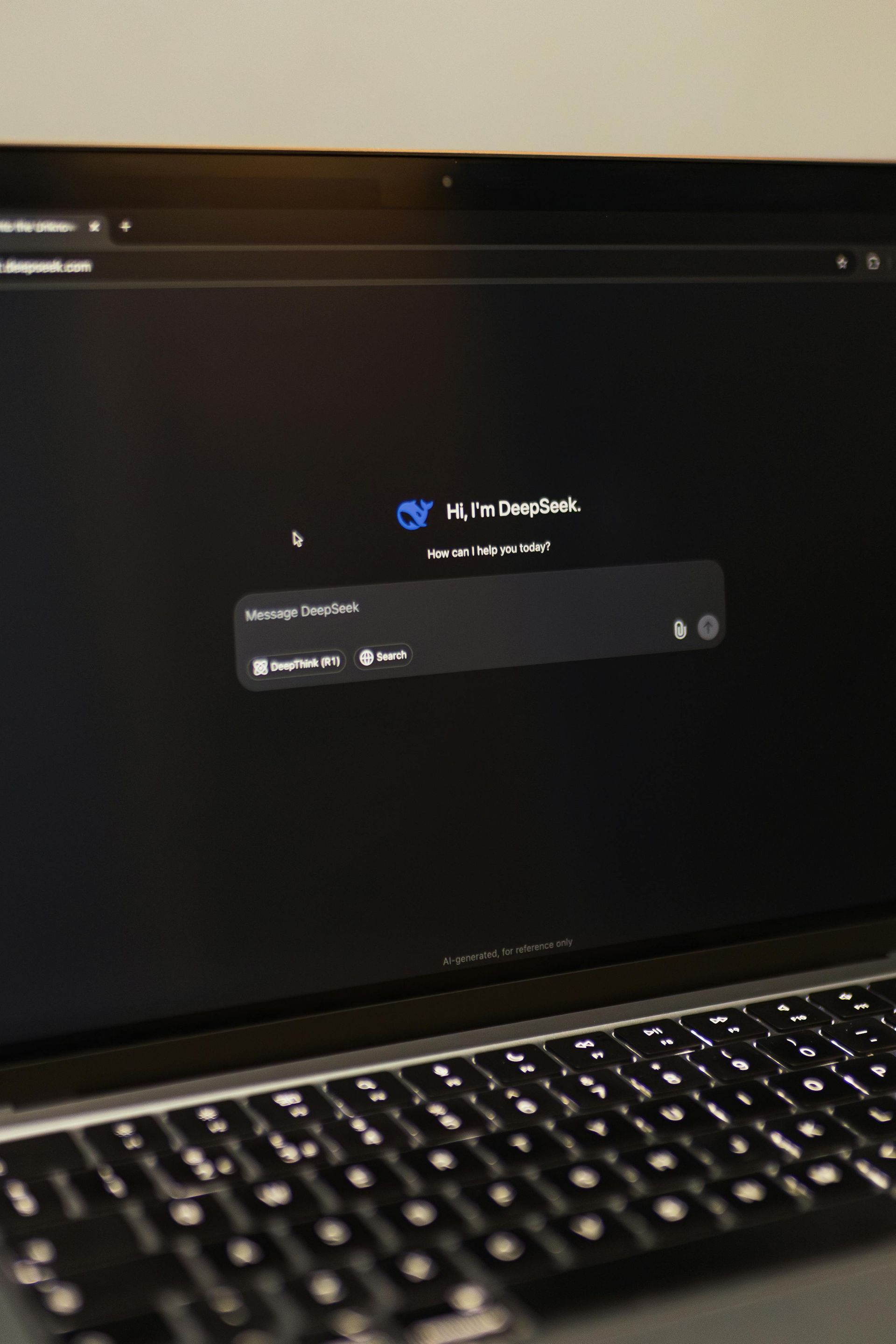
The rise of AIO isn't a trend — it's a structural change in how information is found and consumed. AI-powered search tools have gone from novelty to mainstream in an extraordinarily short time. ChatGPT crossed 100 million users faster than any technology in history. Google's AI Overviews now appear at the top of a significant portion of search results, often replacing the traditional link-based format entirely. Perplexity, Claude, Gemini, and others are all competing to become the default way people get answers online.
For mid-size business owners, this shift matters because your customers are changing their behavior whether you're ready or not. A 2024 survey found that over 40% of adults under 45 now use AI tools for at least some of their research and purchasing decisions. That number is growing fast. And critically, when an AI recommends a business or resource, users tend to trust that recommendation more than a sponsored ad or even an organic search result — because it feels like a genuine, reasoned answer rather than a paid placement.
The businesses that adapted early to each previous wave of digital change — websites in the late 1990s, SEO in the 2000s, social media in the 2010s — captured significant competitive advantages that lasted for years. The businesses that waited paid a steep price to catch up. AIO is that kind of inflection point. The window to get ahead of it is open now, but it won't stay open indefinitely.
3. How AI Tools Decide What to Recommend
Understanding what makes a business AIO-ready starts with understanding how AI systems evaluate credibility. These tools don't just read your website — they synthesize signals from across the entire web: your blog posts, third-party mentions and reviews, press coverage, directory listings, social profiles, and the quality and consistency of the information you put out over time. They're building a picture of whether your business is genuinely authoritative on a given topic.
Content depth is one of the most important signals. AI tools are drawn to businesses that have published substantive, helpful content that directly answers the questions their customers are asking. A single homepage with a brief description of your services won't cut it. What earns AI recommendations is a consistent body of content that demonstrates real expertise — blog posts that go deep on relevant topics, FAQs that address common questions clearly, case studies that show real results, and thought leadership that reflects genuine industry knowledge.
Consistency and credibility across the web matter just as much. If your business name, address, phone number, and description vary across different platforms, that inconsistency creates doubt for AI systems. Similarly, if your website says one thing but your Google Business profile, LinkedIn, and industry directories say something slightly different, the AI has no reliable signal to anchor its recommendation. Building clean, consistent, authoritative profiles everywhere your business exists online is foundational AIO work.
Third-party validation is the third major factor. When other credible sources — publications, industry blogs, review platforms, local business directories — reference your business by name and describe what you do, that's a powerful signal to AI systems that you're the real thing. Businesses that have been written about, quoted, reviewed, and cited carry far more AIO weight than businesses that only talk about themselves on their own platforms.
4. What AIO Means for Mid-Size Businesses Specifically
Mid-size businesses are in an interesting position in the AIO landscape. Large enterprises have the resources to invest heavily in content and digital infrastructure, but their size also makes them slow-moving and often impersonal. Small businesses have the agility but rarely the budget or bandwidth for sustained content production. Mid-size businesses sit in a sweet spot — big enough to commit to a real AIO strategy, and small enough to move quickly and build the kind of authentic, specific expertise that AI tools reward.
The most important thing mid-size business owners can do right now is stop thinking about their website as a digital brochure and start thinking about it as a knowledge hub. Every question your customers ask, every problem your service solves, every decision your prospects are trying to make — those are all opportunities to create content that positions your business as the answer. That content, built consistently over time, becomes the foundation of your AIO authority.
It's also worth recognizing that AIO and traditional SEO are not in conflict — they're increasingly the same discipline. Google's own AI features reward the same qualities that answer engines look for: depth, accuracy, consistency, and genuine usefulness. A business that invests in AIO is simultaneously improving its traditional search performance. The two strategies reinforce each other, which makes the investment even more efficient.
5. Where to Start
The best place to begin your AIO journey is with an honest audit of what you currently have. Ask yourself: If someone asked an AI assistant what your business does and why they should choose you, what would it find? Is there enough content across your website and the broader web to give it a clear, confident answer? Are your business details consistent everywhere? Have you been mentioned, reviewed, or cited anywhere outside your own platforms?
If the answers are thin, you're not alone — most mid-size businesses are under-invested here. The good news is that building AIO authority is entirely achievable without a massive budget. It requires consistency, genuine expertise, and a commitment to producing content that actually helps the people you're trying to reach. Start with your blog. Answer the real questions your customers ask. Publish regularly. Make sure your profiles are complete and consistent. Get your customers to leave reviews. These are the building blocks of AI visibility — and they compound over time in a way that paid ads never will.
The Bottom Line
AIO isn't a buzzword or a passing trend — it's the next chapter of digital marketing, and it's already underway. Mid-size businesses that understand this shift and start building their AI authority now will have a meaningful head start on competitors who are still focused exclusively on yesterday's playbook. Those that wait will find themselves increasingly invisible to a growing share of their potential customers.
At PaperClick Marketing, AIO is at the core of everything we do. We help mid-size businesses build the kind of credible, authoritative online presence that gets them recommended — by search engines, by AI tools, and by the buyers who matter most. Let's talk about your AIO strategy today.