Why Your Website Isn't Generating Leads (And How to Fix It)
You spent real money building your website. It looks professional. The photos are good, the copy is decent, and the contact form works. So why isn't it generating leads? If this sounds familiar, you're in very good company—and the good news is that the most common reasons mid-size business websites fail to convert visitors are entirely fixable, usually without a full redesign.
The mistake most business owners make when diagnosing a low-converting website is focusing on aesthetics. They assume the problem is the color scheme, the font choices, or the hero image. These things matter at the margins. The real drivers of lead generation—or the lack of it—are almost always strategic, not cosmetic.
1. You're Not Getting Enough of the Right Traffic
A website that doesn't generate leads might not have a conversion problem at all. It might have a traffic problem—specifically, a lack of traffic from people who are actually in the market for what you offer. If your visitor count is low, or if most of your visitors are arriving from brand searches (people who already know your name), you have an awareness and discoverability problem that no amount of conversion optimization will solve.
The fix here is content marketing and SEO: publishing the kind of question-answering blog posts and resource pages that attract people who are actively researching the problems you solve, even if they don't know your business yet. When someone searches "how to choose a marketing agency for a mid-size company" and finds your blog post, they arrive with clear intent and context. That's a fundamentally different visitor than someone who stumbles onto your site from a generic display ad.
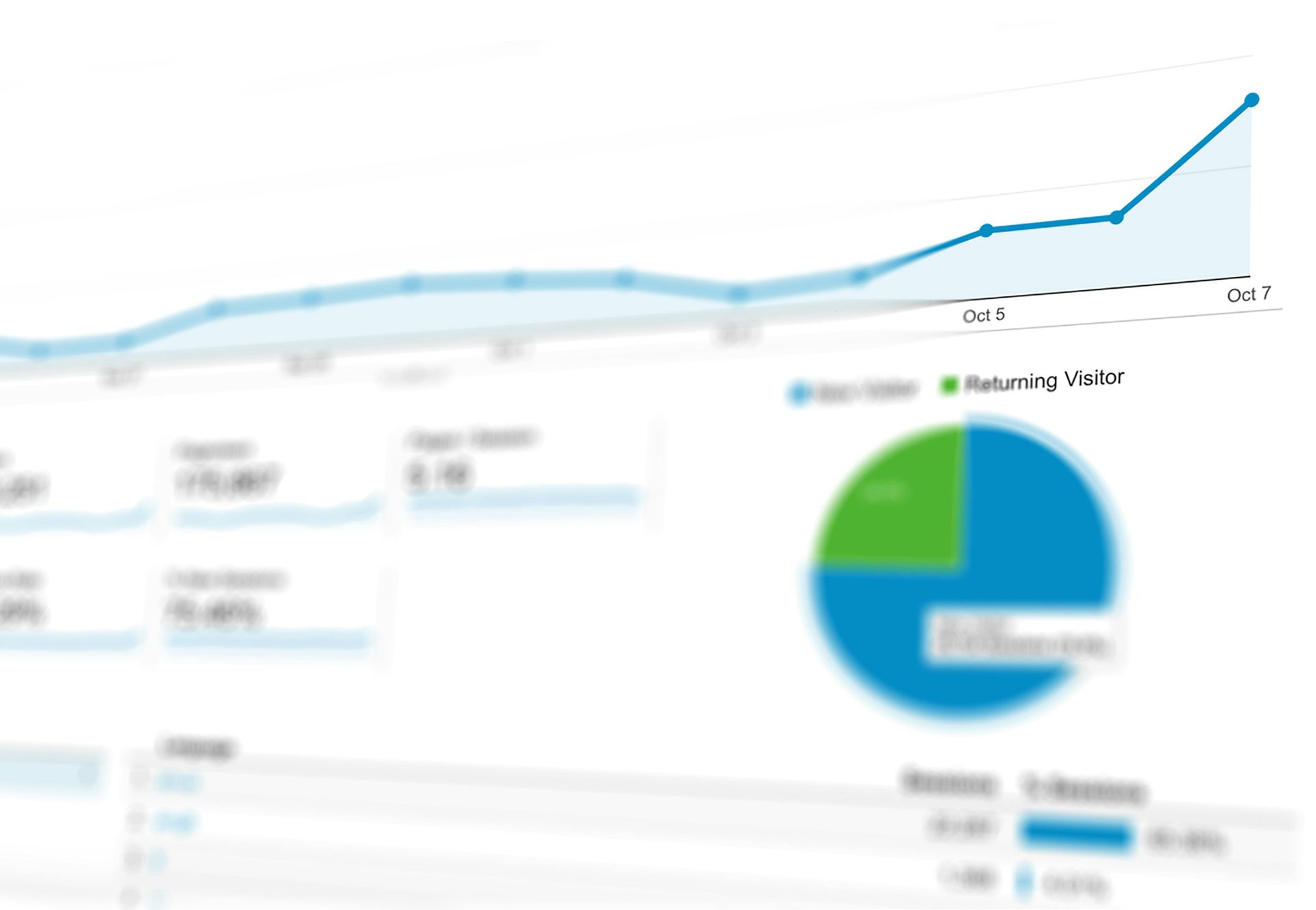
Before you optimize for conversion, make sure you're attracting enough qualified visitors. Check your analytics: how many unique visitors per month, what are their sources, and are they engaging with the content (time on site, pages per visit)? If traffic is thin or low-quality, that's the first problem to solve.
2. Your Value Proposition Isn't Clear in the First 5 Seconds
When someone lands on your homepage, they make a near-instant judgment: does this business do what I need, and does it seem credible? If they can't answer both questions in about five seconds, they leave. This isn't an attention span problem—it's a clarity problem. Most business websites bury their value proposition under vague taglines, hero images of generic stock photography, and corporate-speak that says everything without communicating anything.
Test your homepage right now: can a complete stranger tell within five seconds exactly what you do, who you do it for, and why they should choose you over alternatives? If the answer is no, you have a clarity problem that is costing you leads every single day.
The fix is ruthless simplification. Your headline should state specifically what you do and for whom. Your subheadline should explain the key outcome or benefit you deliver. Your above-the-fold content should include one clear call to action—not three competing buttons. Everything below the fold should support and expand on those core claims. This isn't about dumbing down; it's about making the case for your business fast enough to keep the right visitors engaged.
3. There's No Clear Path for Visitors Who Aren't Ready to Buy Yet
Most websites are built with a single conversion goal: contact us / request a quote / schedule a call. That's appropriate for visitors who are ready to make a decision. But most visitors to a business website aren't ready to buy on their first visit—they're researching, comparing, and evaluating. If your only CTA is "contact us," you're leaving most of your visitors with no reason to stay engaged with your brand.
The solution is a lead nurture path for earlier-stage visitors. This typically means a middle-of-funnel offer: a downloadable guide, a free assessment, a newsletter signup with clearly stated value, or a video resource. Something that provides real value in exchange for an email address—which then gives you the ability to follow up over time as that prospect moves through their buying journey.
Think about the different stages a potential buyer might be in: just starting to research the problem, actively comparing vendors, or nearly ready to decide. Each stage needs a different type of engagement. A website that only serves visitors in the last stage is missing most of its opportunity.

4. Your Social Proof Is Thin or Missing
Trust is the primary currency of lead generation. Visitors who don't trust you won't submit a form, regardless of how good your copy is. And trust on a website is primarily built through social proof: testimonials, case studies, client logos, reviews, media mentions, and any third-party signals that validate your credibility.
Most mid-size business websites either have no social proof or have weak social proof—a couple of generic testimonials buried on an "About" page, or client logos displayed without any context. The most effective social proof is specific: a client in a recognizable industry saying something concrete about a specific result you helped them achieve. "PaperClick helped us increase qualified leads by 40% in six months" is infinitely more persuasive than "great company, highly recommend."
Audit your social proof right now. Do you have testimonials from recognizable clients in your target market? Are they specific and outcome-focused? Are they displayed prominently on your highest-traffic pages, not just a dedicated testimonials page that few visitors ever find? If your social proof is weak or hidden, fixing that alone can meaningfully improve your conversion rate.
These four issues—insufficient qualified traffic, unclear value proposition, no nurture path for early-stage visitors, and thin social proof—account for the vast majority of lead generation failures on mid-size business websites. PaperClick Marketing helps businesses diagnose and fix exactly these problems. If your website should be doing more for your business, let's take a look at it together.