How to Optimize Your Google Business Profile to Show Up in AI Search
Most business owners treat their Google Business Profile as a set-it-and-forget-it task—fill in the basics, upload a few photos, and move on. But your Google Business Profile (GBP) has become one of the most important signals AI tools use to understand and recommend your business. A fully optimized GBP doesn't just improve your local search rankings; it improves your visibility across AI-powered search experiences, including Google's AI Overviews and, increasingly, third-party AI tools that pull structured business data.
This is one of the highest-ROI marketing activities available to mid-size businesses because it costs nothing but time and can produce meaningful, lasting improvements in how you show up across multiple search channels simultaneously.
1. Complete Every Section—Completely
Google uses completeness as a quality signal. Profiles that have every section filled out consistently outperform incomplete profiles in both traditional local search and AI-generated results. If you have any blank sections in your GBP, filling them in is the single fastest improvement you can make.
The sections that most businesses skip—and that matter most—are the business description, services, products, attributes, and Q&A. Your business description should be a 200–300 word overview of what you do, who you serve, and what makes you different. Don't stuff it with keywords; write it as if you're explaining your business to an intelligent stranger. This description is one of the primary text inputs that AI tools use to understand what your business is about and when to recommend it.
Your services and products sections allow you to describe each offering in detail with its own description, price (if applicable), and category. The more granular and complete this information is, the better AI tools can match your business to relevant queries. If you offer ten distinct services and only have three listed, you're invisible for the other seven.
2. Use Your Posts and Updates Actively
Google Business Profile allows you to publish posts—short updates, offers, events, and news that appear in your profile and in local search results. Most businesses post occasionally or never. This is a missed opportunity on multiple levels. Regular GBP posts signal to Google that your business is active and engaged, which influences ranking. They also provide fresh text content that AI tools can incorporate into their understanding of your business.
Post at minimum once per week. Each post should be relevant to your target customers: a useful tip, an answered question, a recent client success (without identifying information), or a seasonal offer. Include a clear call to action in every post. Over time, this content builds a richer, more current picture of your business that both traditional search algorithms and AI tools will incorporate into their recommendations.
GBP posts expire after seven days (for standard posts), so consistency matters. Build a simple habit: once a week, log into your GBP and publish a short, relevant update. It takes ten minutes and compounds in value over time.
3. Earn and Respond to Reviews Systematically
Reviews are one of the most powerful signals in both local SEO and AI search. The volume of your reviews, the recency of your reviews, and the average rating all factor into how prominently your business appears in AI-generated recommendations. Just as importantly, the content of your reviews—the specific words customers use to describe their experience with you—helps AI tools understand what your business is known for and what problems it solves.
Build a systematic process for requesting reviews from satisfied customers. The best time to ask is immediately after a positive interaction or a successful project delivery. A simple, direct email—"It would mean a lot to us if you'd share your experience on Google"—with a direct link to your review page converts at surprisingly high rates. Don't ask for reviews in bulk or incentivize them; Google penalizes this. Instead, ask one customer at a time, at the right moment.
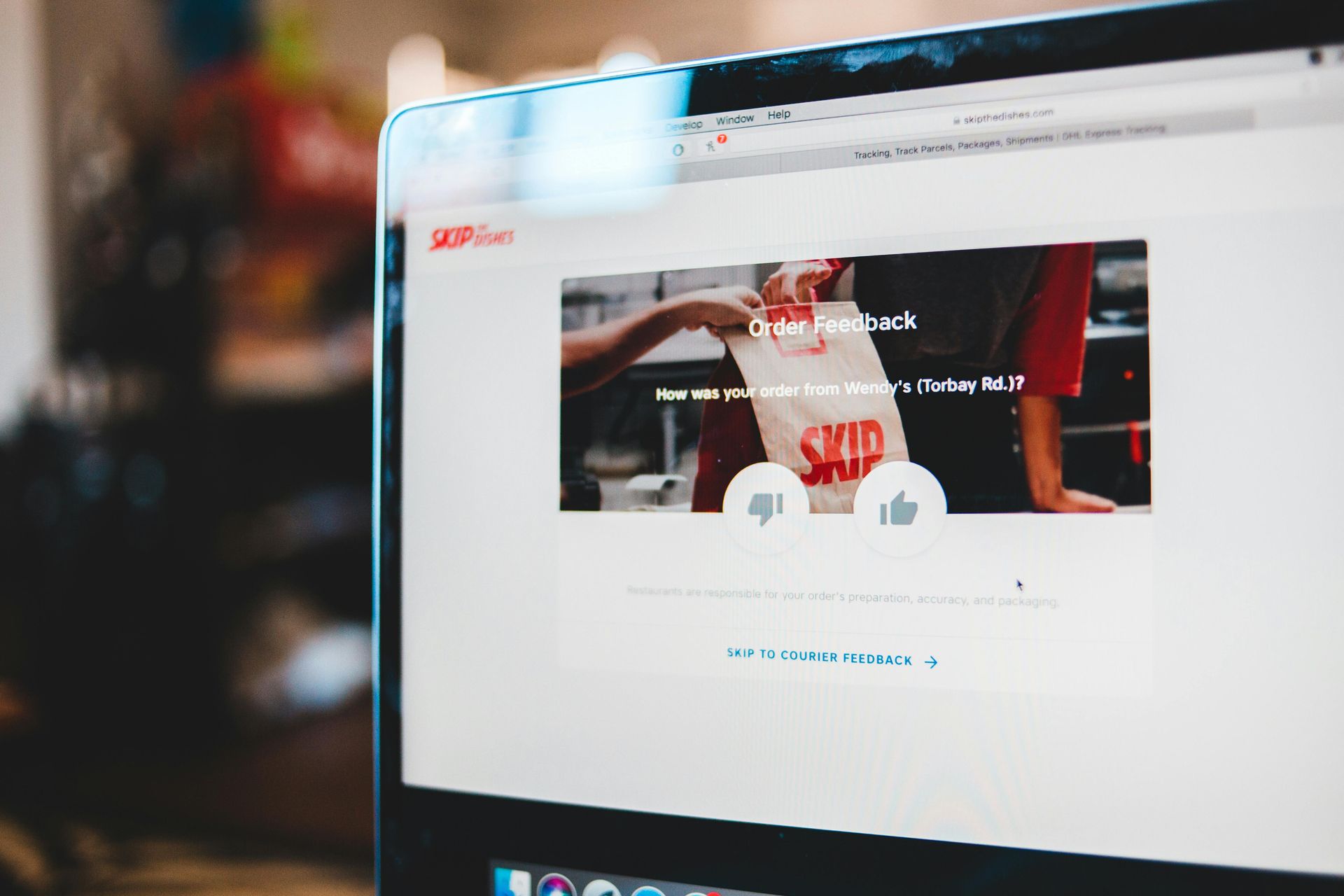
Responding to every review—positive and negative—is equally important. Responses show that your business is engaged and attentive. They also add more relevant text to your profile. When responding to negative reviews, keep your response brief, professional, and solution-oriented. AI tools interpret how businesses handle negative feedback as a signal of trustworthiness.

4. Add Photos Regularly and Make Them Authentic
Profiles with robust, regularly updated photo libraries consistently outperform those with a few static images. Photos signal to Google that your business is active and well-maintained. They also give AI tools and potential customers richer context about what your business looks like, where it operates, and how it delivers its services.
The most effective photos aren't polished stock images—they're authentic representations of your team, your workspace, your work in progress, and your completed results. Photos of real people doing real work are significantly more engaging than generic office stock photography. If you serve customers in person, photos of your actual space matter a great deal. If you're a service business, photos of your team at work or at client locations are ideal.
Add at least two to three new photos per month. Label them with descriptive file names before uploading (these contribute to your image SEO). The goal is a profile that feels current, authentic, and visually representative of what it's actually like to work with your business.
A fully optimized Google Business Profile takes perhaps two to three hours per month to maintain and can produce significant improvements in both local and AI-driven search visibility. If you want help developing a systematic GBP optimization process alongside a broader content and AI visibility strategy, PaperClick Marketing is here to help.