August 4, 2026

How to Set Up Your Google Business Profile from Scratch

A Google Business Profile (GBP) is the most important free marketing tool available to a service business. It's what makes your business appear in Google Maps, the local pack in search results, and increasingly in Google's AI-generated answers about local businesses. If you don't have one set up, you're invisible in local search to a majority of potential customers. Here's how to create and verify one from scratch in under an hour.

Step 1: Check If Your Business Already Has a Listing

Before creating a new profile, search your business name on Google Maps. Many businesses — especially those that have been operating for a few years — already have a Google-generated listing with basic information pulled from data sources. If you find an existing listing, claim it rather than creating a duplicate. Click "Claim this business" or "Own this business?" and Google will walk you through the verification process.

Creating a duplicate listing is a common mistake that can actually hurt your local rankings. Google may suppress both listings or merge them in ways you don't control. Always check first.

Step 2: Create Your Profile at business.google.com

Go to business.google.com and sign in with a Google account. Use a business-dedicated Google account rather than a personal one — this makes it easier to manage access and avoid issues if you ever bring on an employee or agency to help manage the profile.

Click "Add your business to Google." Enter your business name exactly as it appears on your website and other directories. Choose your primary business category — select the most specific accurate option available. Google will show you category suggestions as you type.

Step 3: Choose Your Business Type

Google offers three business types: storefront (customers visit your location), service area business (you travel to customers), and hybrid (both). Choose the option that accurately describes your business model. Service-area businesses enter their service radius or specific service areas rather than a physical address — this determines where your listing appears in local searches.

Step 4: Add Your Contact Information

Enter your business phone number (use a direct line to your business, not a call tracking number if possible, as consistency with your website matters), your website URL, and your business address or service area. This information should be identical to what's on your website's contact page and any other major directory listings.

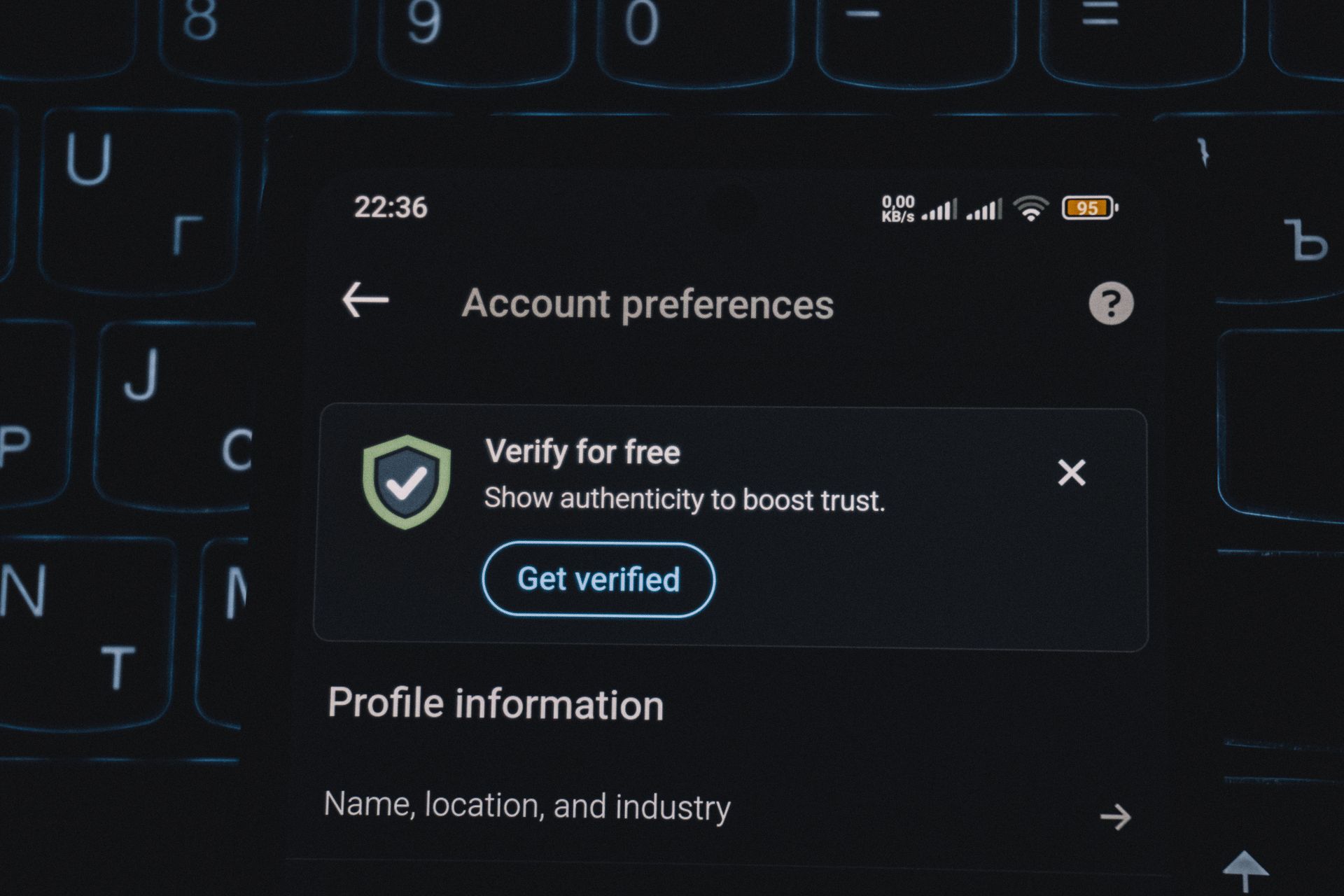
Step 5: Verify Your Business

Google requires verification to confirm you actually operate the business you're claiming. Verification methods include: postcard (mailed to your business address with a PIN, takes 5–14 days), phone call or text (instant, available for some businesses), email (available for some businesses), video (video call verification, available for some business types), and instant verification (available for businesses with verified Google Search Console accounts).

Select the fastest available method. If postcard verification is the only option, start the process immediately and track the arrival — postcards expire after 30 days. Until verified, your listing will show as "unverified" and won't rank competitively.

Step 6: Complete Your Profile

After verification, complete every field: hours of operation, business description (750 characters), photos (upload at least 10 to start), services list with descriptions and prices, and attributes (accepts credit cards, wheelchair accessible, etc.). A complete profile ranks higher than an incomplete one. Google's internal guidance shows that businesses with complete profiles are twice as likely to be considered reputable by users.

Setting up a Google Business Profile takes 30–60 minutes and is the single highest-ROI marketing action a new service business can take. PaperClick Marketing helps service businesses set up, verify, and fully optimize their Google Business Profile as part of a comprehensive local search program. Let's get your business on the map.


PaperClick Marketing helps service businesses get found by customers — on Google, in AI search, and everywhere else it matters.
gayanna "g" magcosta
Founder, PaperClick Marketing

g magcosta is the founder of PaperClick Marketing, a digital marketing company focused on helping businesses become more visible to their ideal buyers. She implements content-driven organic traffic visibility strategies, to help businesses increase trust, search visibility, and buyer engagement. Your answers. Everywhere your customers are looking. Connect with g on LinkedIn. Let's talk about getting you more business.

Recent Posts

By PaperClick Marketing • September 16, 2026
The businesses most consistently recommended by AI search engines didn't get there from a single piece of content. They built a body of work — published over months and years — that collectively signals deep knowledge of their field.

By PaperClick Marketing • September 16, 2026
The most common answer — "as often as possible" — is the least useful. Here's a practical answer grounded in what actually moves the needle on AI search visibility without turning content creation into a second full-time job.
By PaperClick Marketing • September 15, 2026
The default approach to blog topic selection is: what does our company want to talk about? The more useful approach is: what questions are our buyers asking before they hire someone like us? These produce very different content — and very different visibility outcomes.

By PaperClick Marketing • September 14, 2026
There's no magic word count that triggers AI recommendations. But there are practical thresholds worth understanding — and common length mistakes that cost businesses visibility.
By PaperClick Marketing • September 12, 2026
Your blog posts don't exist in isolation. Each one is part of a larger picture — a body of work that either coheres into a recognizable area of expertise or sits as disconnected pieces. Internal linking is how you signal that coherence to AI.
By PaperClick Marketing • September 11, 2026
Most service business owners don't measure their blog's impact at all. Almost none are measuring whether their content is contributing to AI recommendations — which is increasingly the visibility metric that matters.
By PaperClick Marketing • September 10, 2026
Authority is one of those words that gets used constantly in marketing without anyone being precise about what it means. In the context of AI search recommendations, authority has a specific definition — and understanding it changes how you approach your marketing.
By PaperClick Marketing • September 9, 2026
Topical authority — the deep, specific expertise signal AI uses to determine whether your business is the right answer for a buyer's question — is not built by having a marketing team. It's built by having genuine expertise and publishing it consistently over time.
By PaperClick Marketing • September 8, 2026
There's a difference between being a good business that AI happens to mention sometimes and being the business AI consistently recommends when buyers ask about your category. The difference is intentional authority building.
By PaperClick Marketing • September 7, 2026
Every time another credible source mentions your business, links to your content, or cites your expertise, something accumulates. AI models, trained on information from across the web, encounter evidence that other people and organizations consider your business credible.
Show More