
August 7, 2026

Bing Webmaster Tools Review: Free Local Visibility You're Probably Ignoring

Most service businesses set up Google Search Console and stop there. Bing Webmaster Tools sits unused — free, already available, and increasingly important. In 2026, Bing's search engine powers Microsoft Copilot, which means Bing Webmaster Tools now gives you a direct window into your AI search visibility. If you're not using it, you're missing data that no other tool provides. Here's an honest review of what Bing Webmaster Tools offers and whether it's worth your time.

What Bing Webmaster Tools Actually Does

Bing Webmaster Tools (BWT) is Microsoft's free platform for monitoring your website's performance in Bing search. Like Google Search Console, it provides data on which pages are indexed, which keywords your site appears for, crawl errors, and site health issues. Unlike GSC, it includes a built-in SEO analyzer that audits your pages for common technical and on-page SEO issues automatically.

The key differentiator in 2026: Bing's index is the same index that powers Microsoft Copilot's local and informational responses. When Copilot answers a question by citing a webpage or recommending a local business, that data comes from Bing. BWT gives you the only direct visibility into how Copilot sees your site.

Core Features Worth Using

Search Performance: Shows impressions, clicks, CTR, and average position for Bing searches. Equivalent to GSC's Performance report. For most service businesses, Bing drives 5–15% of organic search traffic — not trivial, and completely separate from Google data.

URL Inspection & Submission: Submit specific URLs for immediate Bing indexing. After publishing new content, submitting here accelerates Bing's awareness — important for both Bing organic results and Copilot's knowledge base.

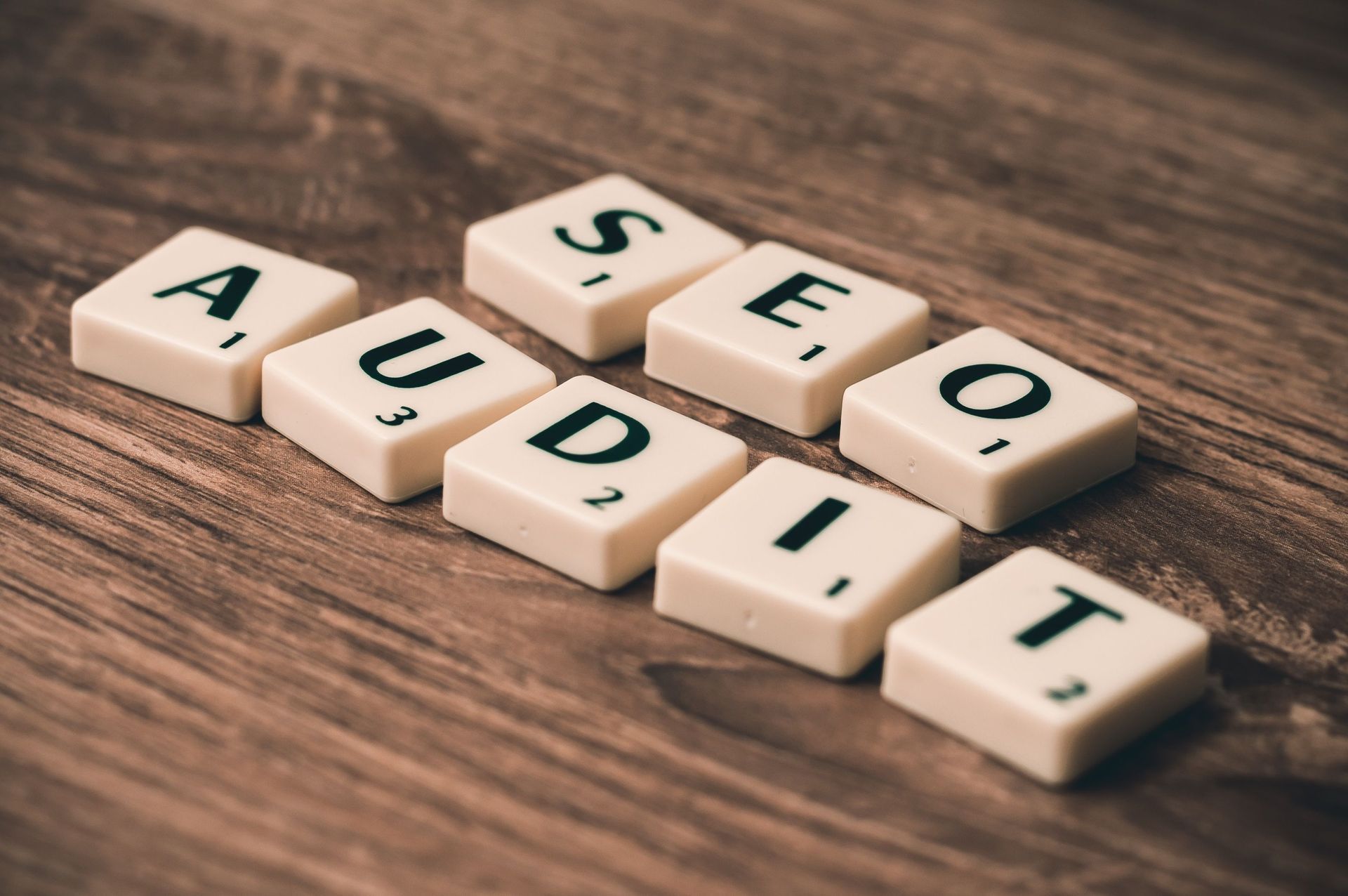
SEO Analyzer: Run automated on-page SEO audits on any URL. Checks for title tags, meta descriptions, heading structure, image alt text, internal links, and page speed. Unlike GSC, which focuses on technical crawl issues, BWT's SEO Analyzer catches on-page issues directly.

The Copilot Connection

This is what makes BWT more valuable in 2026 than it was in 2022. When Microsoft Copilot generates a local recommendation — "best plumber in Austin" or "top-rated landscaping company near me" — it pulls from Bing's index. Businesses with well-indexed pages, accurate Bing Places listings, and strong Bing SEO signals get prioritized in Copilot responses.

BWT's Performance report can show you whether your site is appearing for Copilot-adjacent queries. If you see impressions but zero clicks on queries where AI answers might be serving zero-click responses, that's a signal you're appearing in Bing's context but losing the click to Copilot's summary. Understanding this dynamic requires the data BWT provides.

Setup Time and Verdict

Setup takes 20–30 minutes, especially with the Google Search Console import option. The tool is free. The data is unique — it covers 8%+ of search traffic that isn't captured in GSC, and it's the only visibility tool that touches your Microsoft Copilot presence. For a free tool that takes 30 minutes to configure, the ROI calculation is obvious.

Verdict: Bing Webmaster Tools is not a replacement for Google Search Console, but it's a genuinely useful complement. Any service business serious about total search visibility — including Copilot and AI search — should have it set up. PaperClick Marketing monitors both Bing and Google performance as part of our full-service SEO programs. Let's make sure you're visible on every platform that matters.


PaperClick Marketing helps service businesses get found by customers — on Google, in AI search, and everywhere else it matters.
gayanna "g" magcosta
Founder, PaperClick Marketing

g magcosta is the founder of PaperClick Marketing, a digital marketing company focused on helping businesses become more visible to their ideal buyers. She implements content-driven organic traffic visibility strategies, to help businesses increase trust, search visibility, and buyer engagement. Your answers. Everywhere your customers are looking. Connect with g on LinkedIn. Let's talk about getting you more business.

Recent Posts

By PaperClick Marketing • September 16, 2026
The businesses most consistently recommended by AI search engines didn't get there from a single piece of content. They built a body of work — published over months and years — that collectively signals deep knowledge of their field.

By PaperClick Marketing • September 16, 2026
The most common answer — "as often as possible" — is the least useful. Here's a practical answer grounded in what actually moves the needle on AI search visibility without turning content creation into a second full-time job.

By PaperClick Marketing • September 15, 2026
The default approach to blog topic selection is: what does our company want to talk about? The more useful approach is: what questions are our buyers asking before they hire someone like us? These produce very different content — and very different visibility outcomes.

By PaperClick Marketing • September 14, 2026
There's no magic word count that triggers AI recommendations. But there are practical thresholds worth understanding — and common length mistakes that cost businesses visibility.
By PaperClick Marketing • September 12, 2026
Your blog posts don't exist in isolation. Each one is part of a larger picture — a body of work that either coheres into a recognizable area of expertise or sits as disconnected pieces. Internal linking is how you signal that coherence to AI.
By PaperClick Marketing • September 11, 2026
Most service business owners don't measure their blog's impact at all. Almost none are measuring whether their content is contributing to AI recommendations — which is increasingly the visibility metric that matters.
By PaperClick Marketing • September 10, 2026
Authority is one of those words that gets used constantly in marketing without anyone being precise about what it means. In the context of AI search recommendations, authority has a specific definition — and understanding it changes how you approach your marketing.
By PaperClick Marketing • September 9, 2026
Topical authority — the deep, specific expertise signal AI uses to determine whether your business is the right answer for a buyer's question — is not built by having a marketing team. It's built by having genuine expertise and publishing it consistently over time.
By PaperClick Marketing • September 8, 2026
There's a difference between being a good business that AI happens to mention sometimes and being the business AI consistently recommends when buyers ask about your category. The difference is intentional authority building.
By PaperClick Marketing • September 7, 2026
Every time another credible source mentions your business, links to your content, or cites your expertise, something accumulates. AI models, trained on information from across the web, encounter evidence that other people and organizations consider your business credible.
Show More