The Dentist's Guide to Getting More Implant and Cosmetic Patients Without Paying Per Click
A dental implant patient is not like an emergency dental patient. The person who cracked a tooth at dinner is desperate, searching fast, and will call whoever answers first. The person considering full-arch implants has been sitting on the idea for two years. They've watched videos. They've asked friends. And for the last three months, they've been quietly doing research — comparing practices, reading about the procedure, and trying to figure out who they can trust with a $25,000 decision.
These are two completely different patients. Most dental marketing treats them the same way.
If your growth strategy for implants and cosmetic cases runs primarily through Google Ads and Groupon-style promotions, you're spending aggressively to reach the first type of patient — the urgent, price-driven searcher — and largely missing the second: the deliberate, high-value patient who is already on the way to writing you a check, if you can just get in front of them during the months they're making up their mind.
The Economics Don't Work at the Top of the Funnel
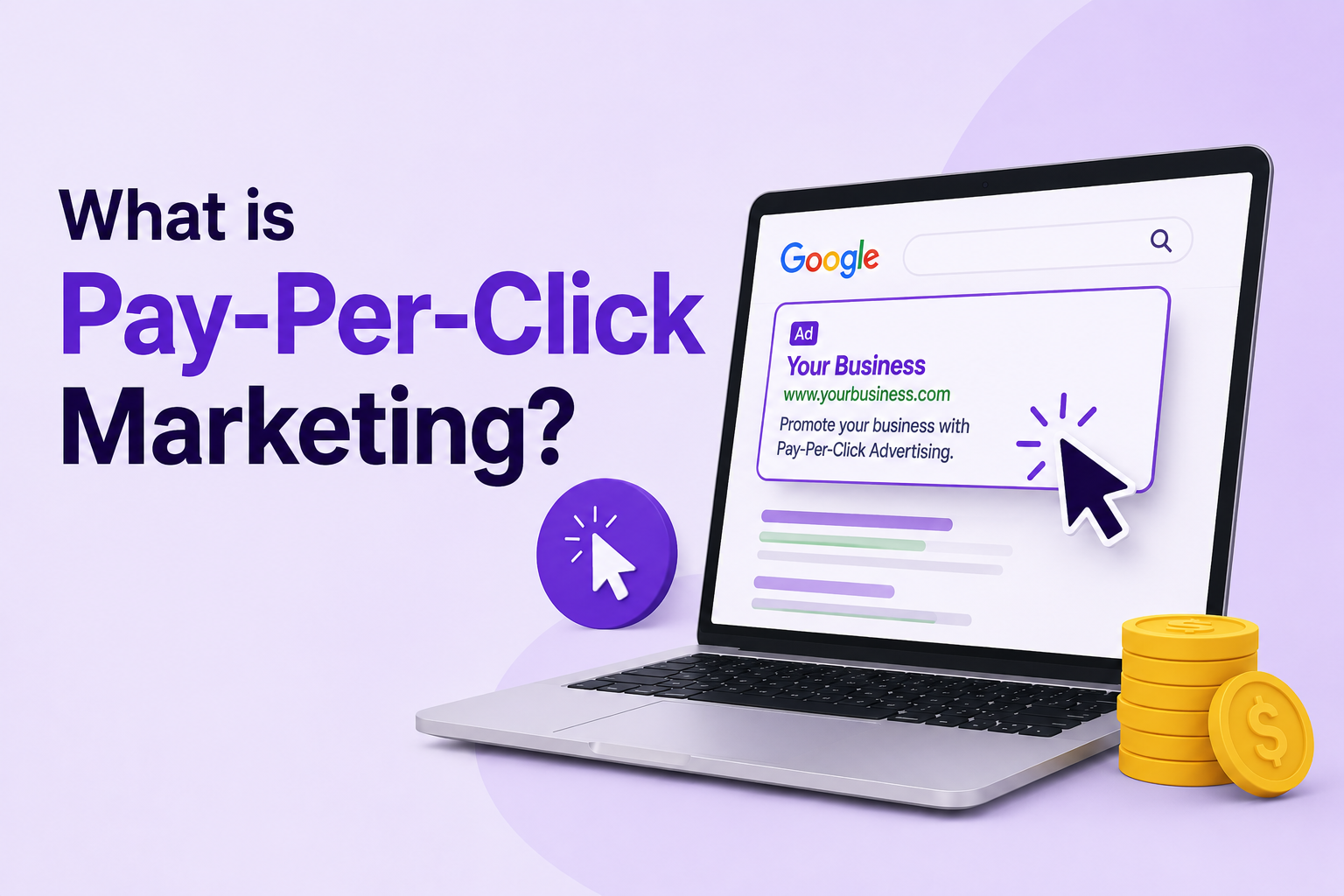
Let's look at the numbers. Cost-per-click for dental implant keywords in competitive metro markets runs between $25 and $80. A well-managed campaign might convert clicks to booked consultations at 3–5%. That means you're spending $500 to $2,500 in ad spend just to get one implant patient through the door for a consult — before you know whether they'll accept treatment, whether their bone density qualifies them, or whether they'll go home and call three other practices before deciding.
The cost math can still work if your case acceptance is high and your implant revenue justifies the acquisition cost. Many practices make it work. But there's a ceiling. The moment you reduce spend, the patients stop. The moment a competitor outbids you, your visibility drops. And the platform itself keeps raising prices — implant keyword CPCs have increased significantly over the last three years as DSOs and large group practices pour money into the same auctions.
You are not building an asset. You are renting visibility, month to month, at an ever-increasing rate.
The Patient You Actually Want Is a Researcher
The implant and cosmetic patient who becomes your best case — who accepts full treatment, refers their spouse, and tells their coworkers — almost never found you through an ad they clicked impulsively. They found you because you showed up consistently during their research process. They read something you wrote. They saw your name come up when they asked ChatGPT about the difference between All-on-4 and traditional implants. They found a detailed explanation on your site about what to expect during the osseointegration period, and it answered a question no other practice had bothered to address.
That kind of visibility doesn't come from ads. It comes from content — specific, credible, clinical-enough-to-be-useful content that answers the exact questions your ideal patients are asking during the months before they call.
This matters more than ever right now because of how AI search has changed the discovery process. When a patient types "how do I know if I'm a good candidate for dental implants" into ChatGPT, or asks Google's AI overview "what's the recovery like for full arch implants," the results they get are drawn from content across the web. Practices that have published detailed, useful answers to those questions earn a presence in AI-generated responses. Practices that haven't are invisible — no matter how good their actual clinical outcomes are.
What Earns Trust Before the First Phone Call
Think about how your best implant patients describe finding you. Rarely do they say "I Googled it and clicked your ad." More often they say something like: "I'd been looking around for a while and your name kept coming up," or "I found an article that explained things really clearly and it was from your office." That's not an accident when it happens — it's the result of a practice that has invested in being findable during the research phase, not just the decision phase.
The content that does this work isn't generic. "Dental implants: everything you need to know" is not going to rank or get recommended by AI. What works is specific: the content that addresses the real objections your implant patients voice in consults. The fear of pain. The uncertainty about bone grafting. The question of whether their age is a factor. The comparison between implants and high-end dentures. These are the searches your future patients are running, and each one is an opportunity for your practice to be the trusted source they find.
Cosmetic cases work the same way. Veneer patients research extensively before committing. They want to see before-and-afters, yes — but they also want to understand the process, the longevity, the maintenance, and what happens if something goes wrong. The practice that has answered those questions publicly, across the web and in AI platforms, has already begun building trust before the patient ever picks up the phone.
The Distribution Problem Most Practices Don't Think About
Even practices that create good content often get limited return from it because the content lives only on their website and maybe their Instagram. That's not enough surface area. A prospective implant patient might not find your website directly — but they might find an article you published on a health platform, a Q&A on a dental resource site, or a summary that appears in an AI-generated answer to their question.
This is the logic behind distributing content across 300+ platforms rather than publishing it in one place and hoping people find it. The goal is to maximize the number of places where your practice's expertise shows up during a patient's research journey. Every additional touchpoint increases the probability that when that patient finally decides they're ready, your name is already familiar. Familiarity, in a high-trust, high-investment decision like implants or veneers, is worth more than any ad impression.
What This Looks Like in Practice
At PaperClick Marketing, we work with dental practices to build this kind of organic visibility using our Create, Repurpose and Distribute model. We produce original content built around the specific procedures, patient questions, and clinical topics that matter to your practice — implants, full-arch cases, cosmetic treatment planning, sedation options — and distribute it across the web, including the AI platforms that are increasingly the first stop in every patient's research process.
You don't write the content. You don't manage the distribution. You don't need to be on camera or post to Instagram three times a week. You run your practice. We make sure that when a patient in your market spends three months researching implants, they keep encountering your name — in search results, in AI answers, in the places serious patients go when they're doing serious research.
The result is a patient who arrives at consultation already pre-sold on your expertise. They're not shopping price. They're not asking if you take their insurance. They're asking when you can fit them in.
That's a different kind of marketing. And it doesn't stop working when you stop paying for it.
See how the strategy works: paperclick.clientcabin.com
Or visit us at PaperClickMarketing.com