Is Your Business Invisible to AI? How to Find Out and Fix It
You've invested in a website, posted on social media, maybe even run some ads. But there's a growing blind spot that's silently costing mid-size businesses new customers: AI invisibility . When someone asks ChatGPT, Perplexity, or Google's AI Overview to recommend a service like yours, does your business come up? For most, the honest answer is no—and most don't even know it.
This isn't a minor SEO issue. It's a fundamental shift in how people find businesses. AI-powered search is no longer a futuristic concept—it's where your potential customers are searching right now. And if you're not in those answers, you might as well not exist to a fast-growing segment of your market.
1. What Does "AI Invisible" Actually Mean?
When we talk about AI visibility, we're talking about whether AI assistants like ChatGPT, Perplexity, Google's AI Overviews, and Microsoft Copilot would recommend or mention your business when someone asks a relevant question. Think of it as a new form of word-of-mouth, except the person doing the recommending is a machine trained on what's published online about you.
AI systems don't browse the web in real time to find businesses—they draw on their training data, live web crawls, and structured information sources. If your business doesn't have a strong, consistent digital footprint with clear, authoritative content, AI systems simply won't know you well enough to recommend you. You become invisible.
The challenge is that AI visibility and traditional SEO visibility are related but not identical. You can rank well on page one of Google for certain keywords and still be largely absent from AI-generated responses. AI tools look for content that directly and confidently answers questions—not just content that contains certain keywords.

This is a new game with new rules. And right now, most mid-size businesses are playing the old game—optimizing for Google rankings while AI search quietly routes customers to competitors who are playing it smarter.
2. How to Test Your AI Visibility Right Now
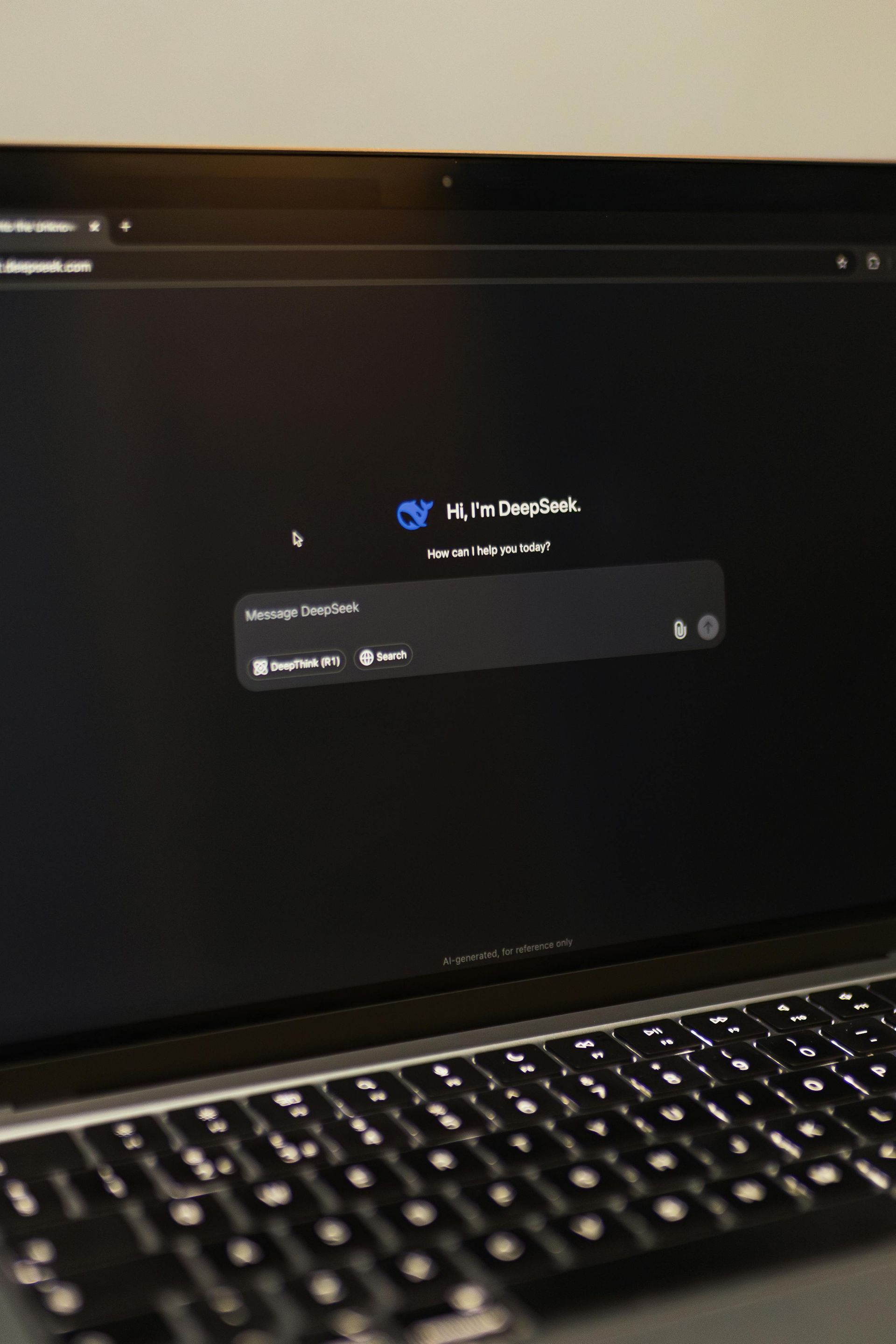
The fastest way to know if you have an AI visibility problem is to ask AI directly. Open ChatGPT, Perplexity, or Google's AI Overview and type in the questions your potential customers would ask. For example: "What's the best marketing agency for mid-size businesses in [your city]?" or "Who are the top [your service] providers in [your industry]?"
If your business isn't mentioned—or if only your competitors are coming up—you have an AI visibility gap. Don't brush it off as a novelty. These tools are increasingly where high-intent buyers begin their research, especially among business decision-makers who are time-pressed and trust AI to do the initial vetting for them.
Next, search for your business name directly in an AI tool and see what it says. Is the information accurate? Is it complete? Does it represent your business in the way you'd want? Many businesses discover that AI tools have incomplete, outdated, or simply wrong information about them—which directly affects whether and how those tools recommend them.
Try asking broader category questions that should lead to your business: "Who offers [your core service]?" or "What should I look for in a [your service type] company?" See if your business, your website content, or even your general perspective gets referenced. The gaps you find are your roadmap.
3. The Root Causes of AI Invisibility
AI invisibility usually comes from one or more of a handful of predictable problems. The most common: thin content . If your website has mostly short service pages with minimal explanatory text, AI systems can't learn enough about your business to feel confident recommending you. AI tools favor businesses that have published substantive, question-answering content across multiple pages and formats.
Another major cause is lack of authority signals . AI systems look for businesses that have been mentioned, linked to, and cited by other credible sources. If you're only known on your own website, AI doesn't have corroboration that you're a legitimate, well-regarded business. Third-party mentions—in articles, directories, reviews, and partner websites—serve as confirmation signals.
Inconsistent business information is a third culprit. If your business name, address, phone number, and description vary across your website, Google Business Profile, Yelp, industry directories, and social media, AI systems struggle to build a coherent picture of who you are. Inconsistency breeds uncertainty, and AI tools don't recommend businesses they're uncertain about.
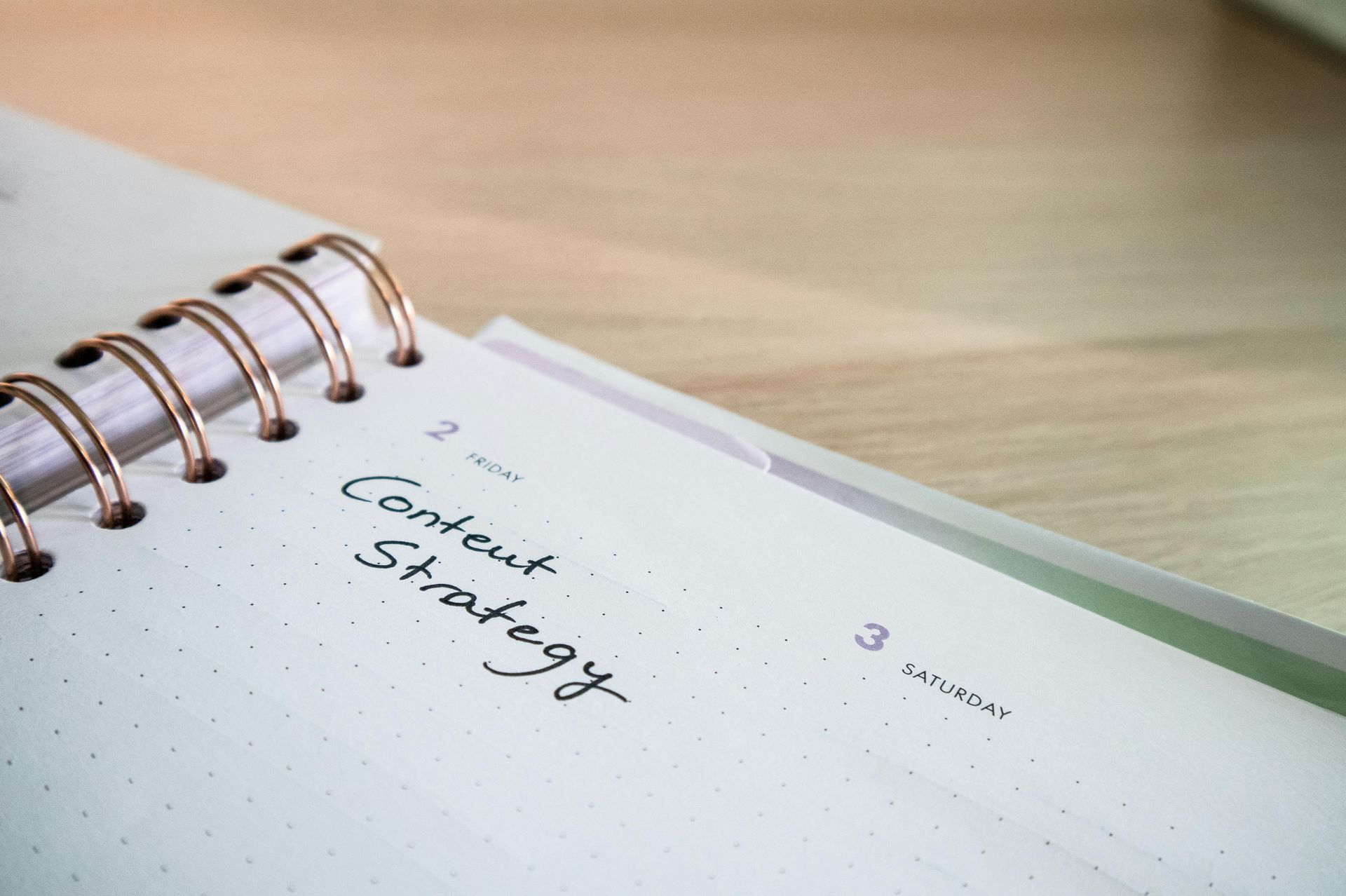
Finally, many businesses simply haven't published content that directly answers the questions their prospects ask. AI answer engines love definitive, helpful, well-organized answers to real questions. If you're not publishing that kind of content, you're invisible by default—regardless of how good your service actually is.
4. How to Fix Your AI Visibility
Start with your content. Audit the questions your ideal customers ask—in sales calls, in consultations, in reviews—and turn each one into a well-written blog post or FAQ entry. The goal is to become the clearest, most helpful voice on topics your customers care about. AI tools surface businesses that answer questions thoroughly, not just businesses that rank for keywords.
Build your authority footprint. This means actively pursuing mentions, links, and citations from reputable sources in your industry. Contribute guest articles to trade publications, get listed in industry directories, seek out podcast interviews and speaking opportunities, and encourage satisfied customers to leave detailed reviews on Google and other platforms. Each external mention is a signal that AI systems use to validate your credibility.
Clean up your business information everywhere it appears online. Do a full audit: Google Business Profile, Yelp, industry-specific directories, your website, social profiles, and any press coverage. Make sure your business name, description, services, and contact details are consistent across all of them. This consistency makes it easier for AI systems to build an accurate, confident picture of your business.
Consider working with a marketing partner who understands AI optimization—sometimes called AIO. This is an emerging specialty that focuses specifically on getting businesses recommended by AI tools, not just ranked on traditional search. The tactics are different enough from traditional SEO that experience in this specific area matters a great deal when it comes to results.
Is It Too Late to Catch Up?
Not at all—in fact, right now is the best time to act. Most businesses are still focused exclusively on traditional SEO, which means there's a genuine first-mover advantage for those who invest in AI visibility today. The businesses that become go-to references for AI tools in their category will enjoy compounding benefits as AI search continues to grow.
The good news is that fixing AI invisibility also tends to improve your traditional SEO at the same time. More content, more authority signals, more consistent information—these are improvements that benefit you across every search channel. It's not a question of choosing between old and new; it's about building a marketing foundation strong enough to win in both.
If you're not sure where your business stands, start with the simple test: open ChatGPT or Perplexity today and ask the questions your customers are asking. Then reach out to PaperClick Marketing—we'll help you build the visibility that turns AI search into a reliable source of qualified leads.